
Can I sell custom merch without inventory?
Yes. MRCH uses print on demand: production starts after the order. No deposits, no minimums.
Free to install. 4.9 from 14 App Store ratings.
The model
The listing can exist before a blank is made. That is sell custom merch without inventory.
A paid checkout is the trigger. You do not guess leftover sizes to look like a catalog.
Production starts after the order. The garment is a job, not a box in your closet.
Tracking follows the parcel. You shared a shop link. You did not pack tape.
POD, defined
Print on demand means a product is produced after a customer orders it. You do not buy a box of blanks or store leftover stock. In MRCH that is the default: live store, then a paid order, then production. If the whole question is “can I start with no inventory,” that is start for zero.
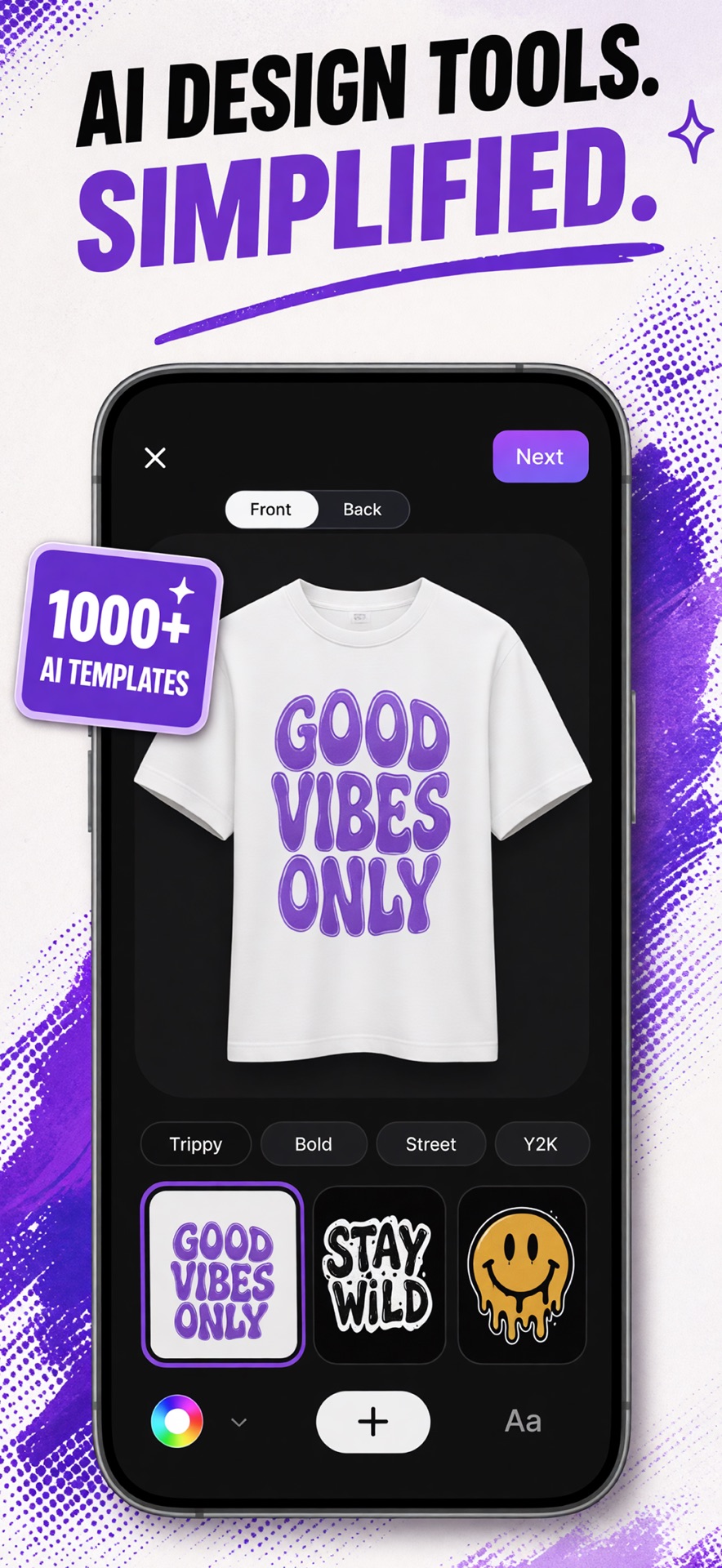
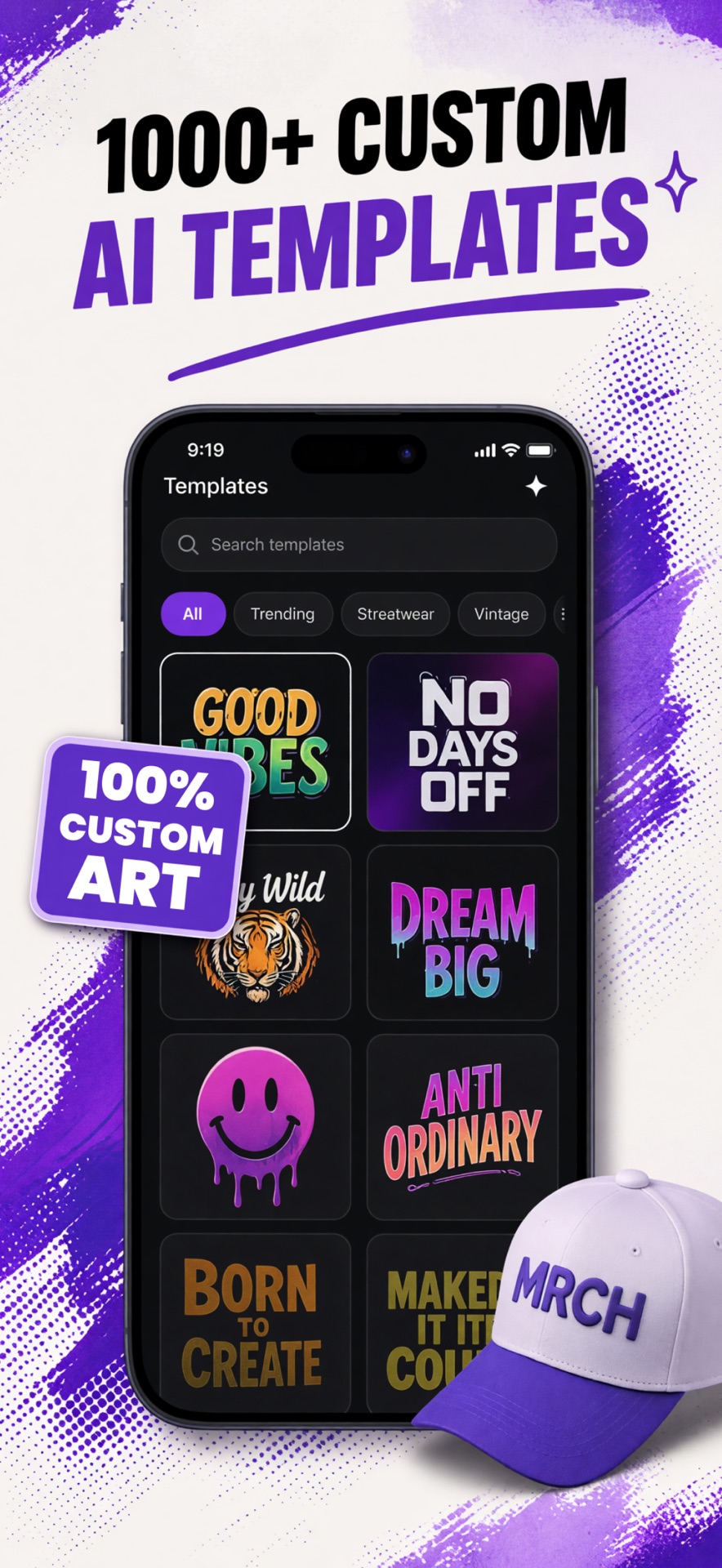
POD only works if the design and the listing exist. MRCH is also an AI merch maker and a custom t-shirt design app, so you are not importing a PNG into a catalog you still host elsewhere. The shop is the merch store app. Download on iOS or Android or use the web app.
There are no deposits and no minimums to open that store. A first order can be a first order — no minimums. Mechanics: print on demand without inventory.
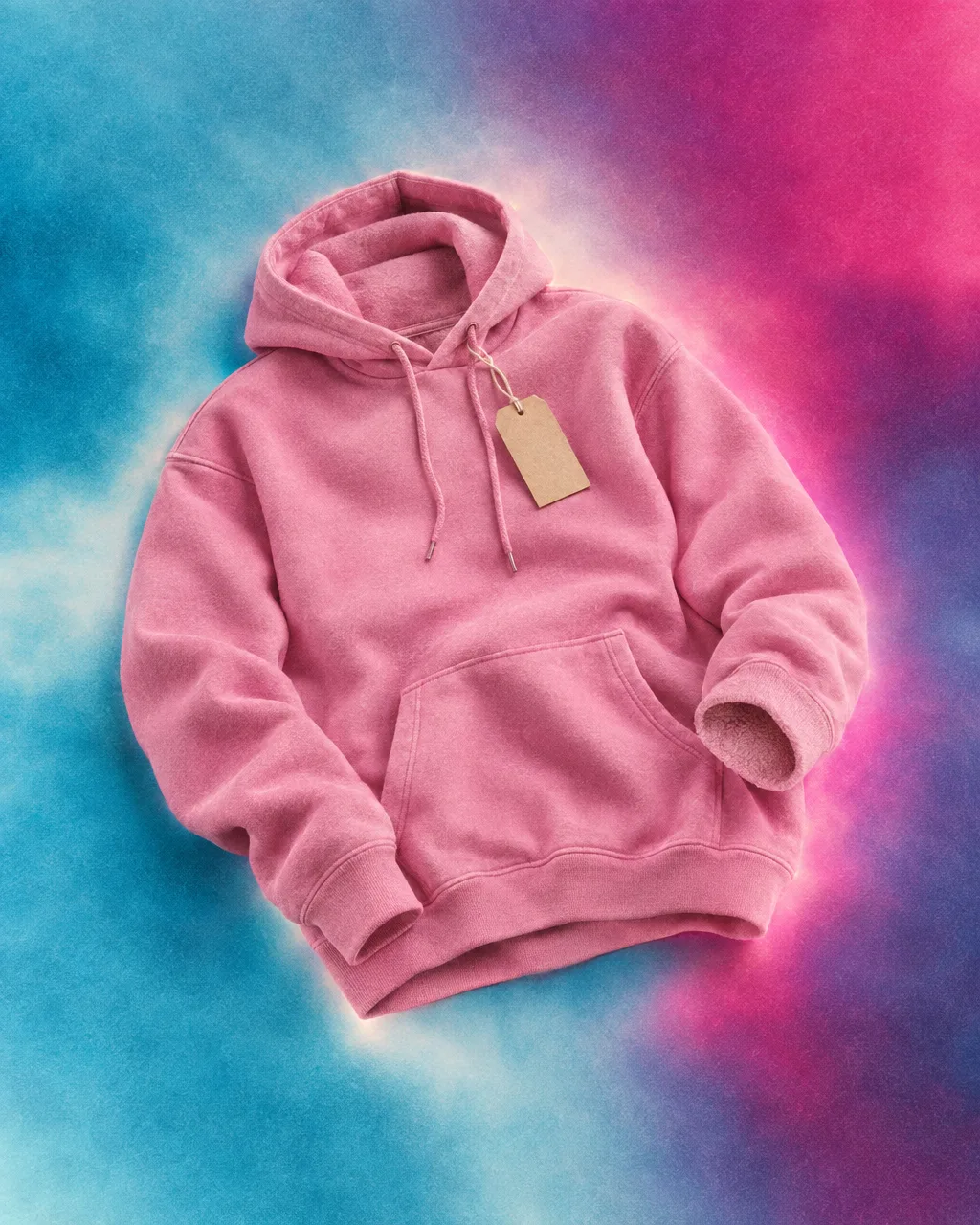
What you skip
Nothing is manufactured until someone buys. Closet merch is optional — samples, not a size run.
The printer is a consequence of the sale. You do not prepay a factory to find out if the joke lands.
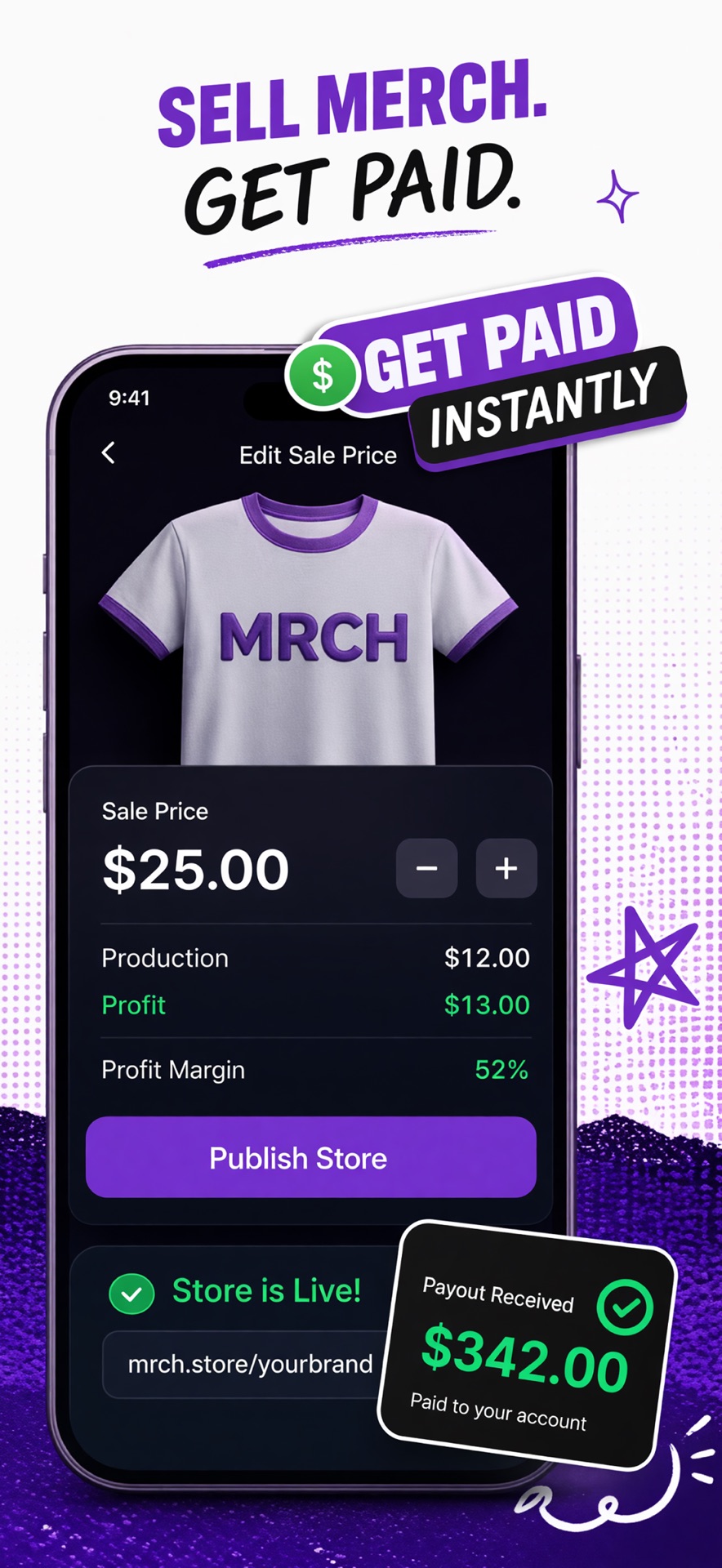
Credits pay for generation. Blanks wait. You see production on the price screen before you publish.
Catalog
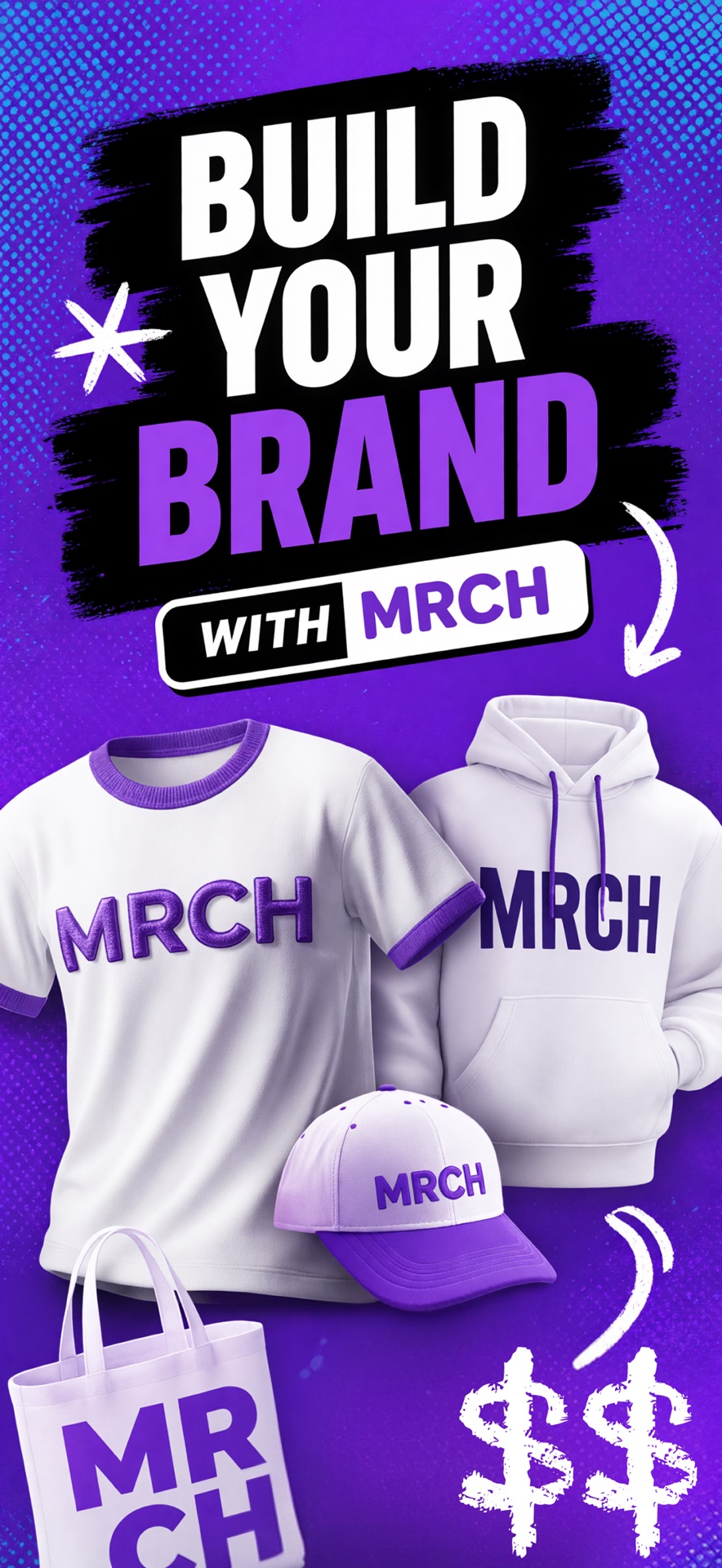
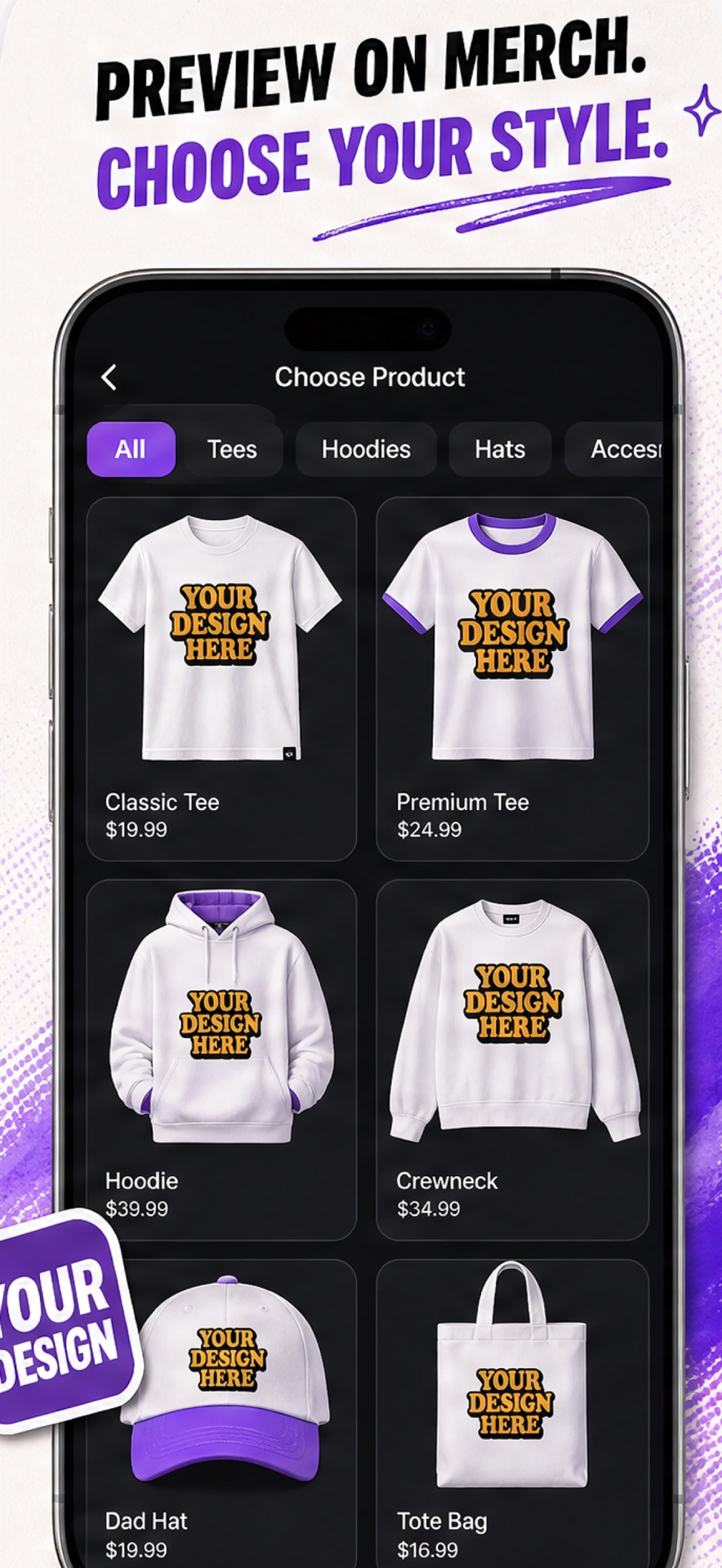
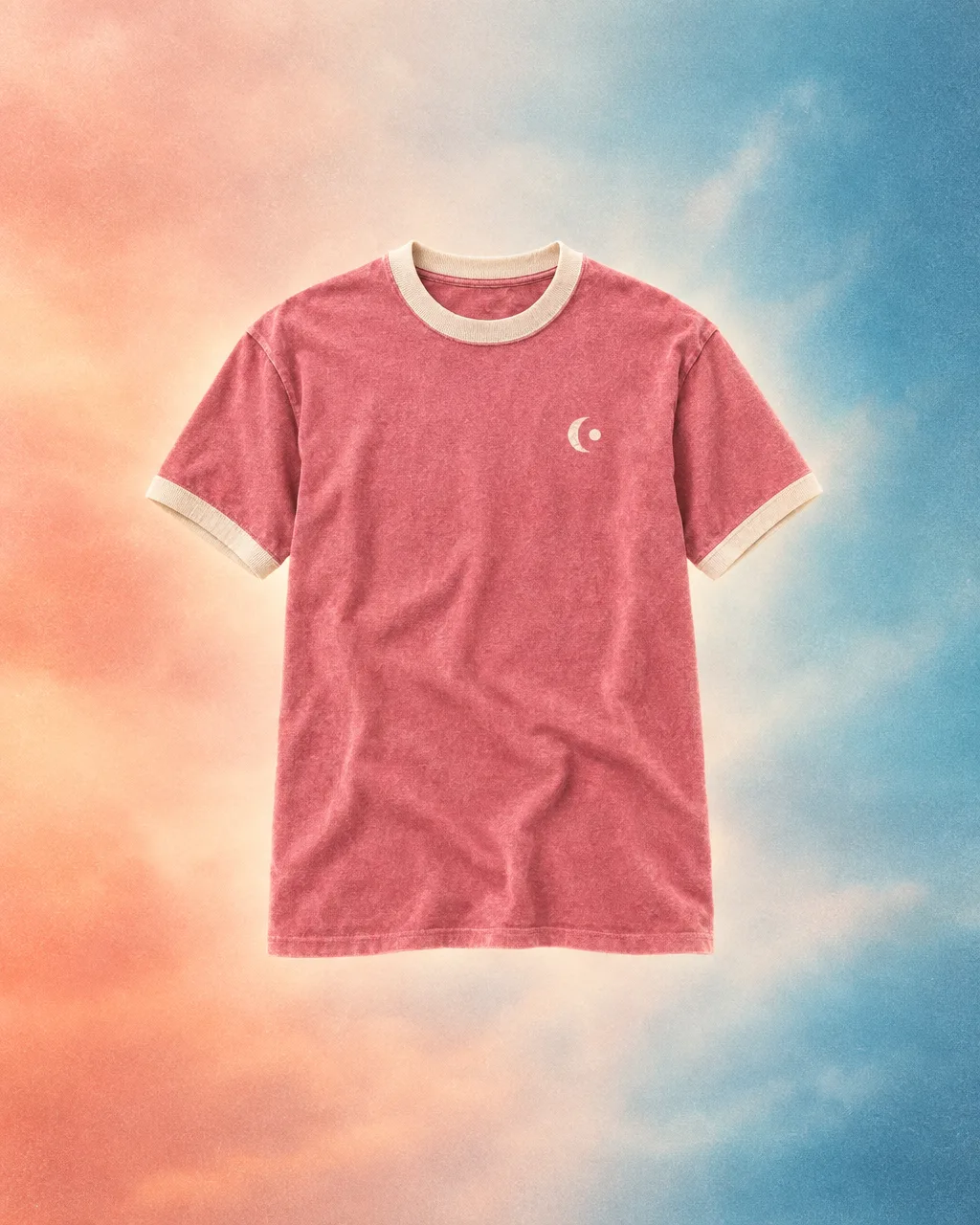
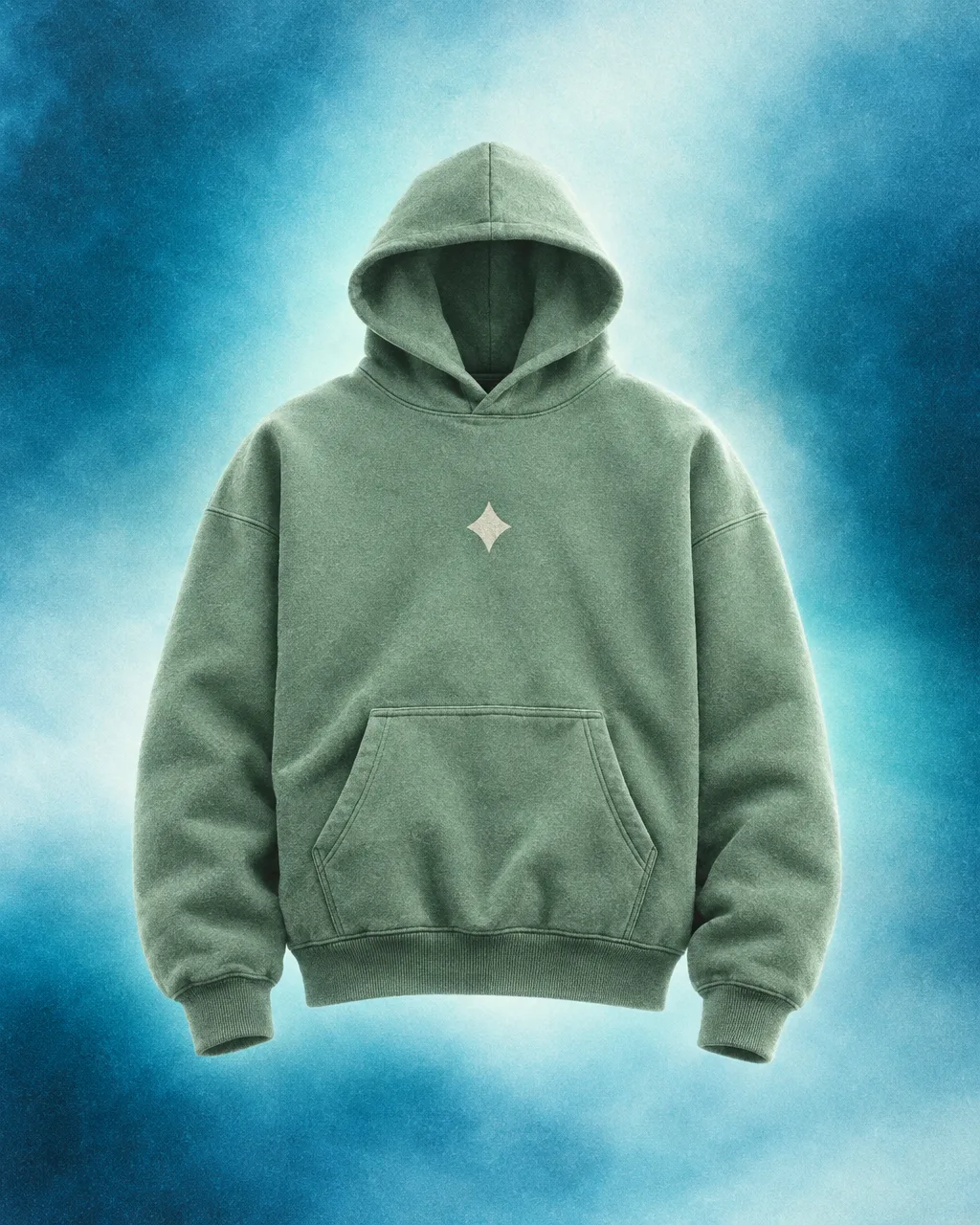
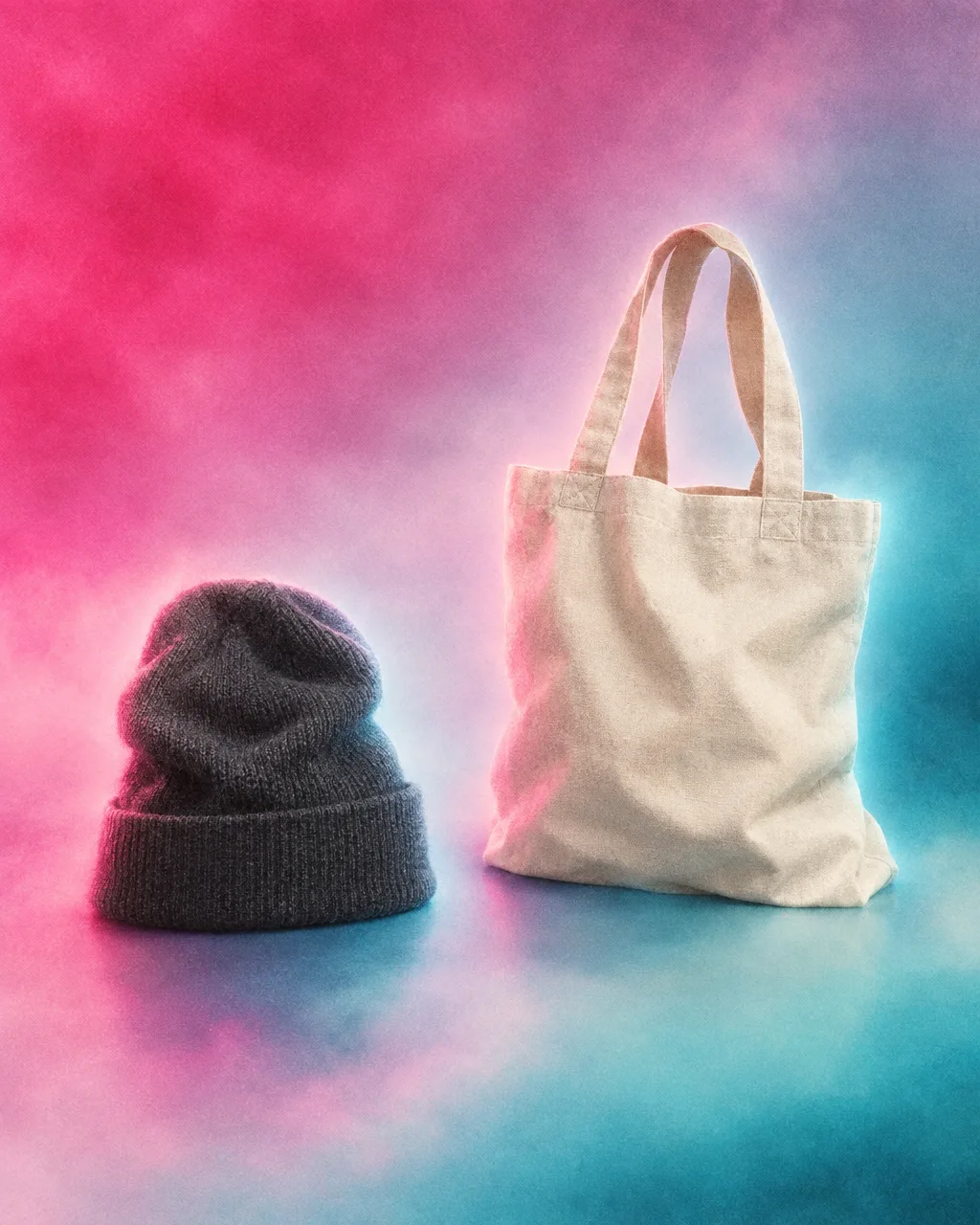
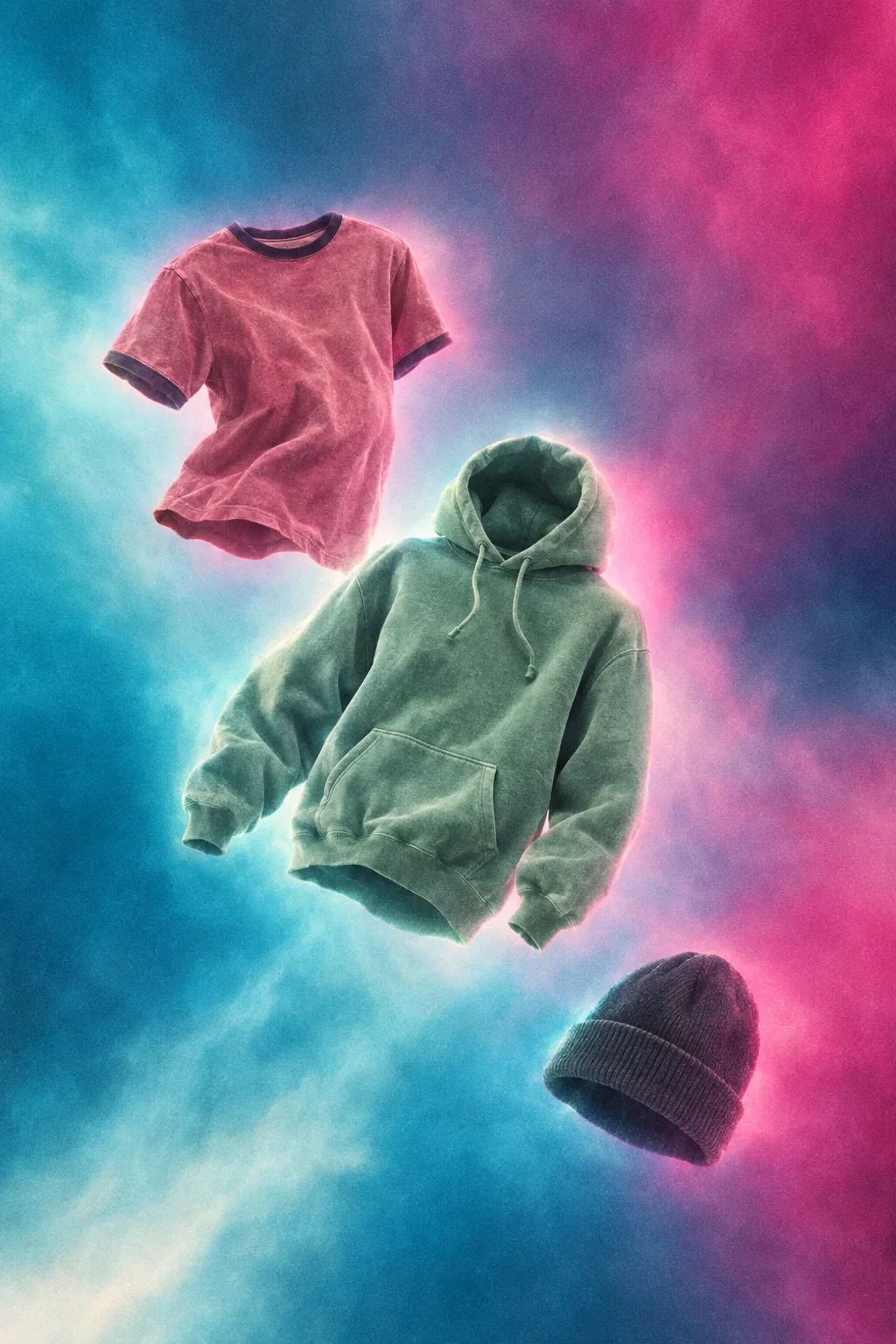
Tees, hoodies, accessories, and posters. Nothing is manufactured until someone buys. Design lives in the same app as the store.
Printful and Printify are large, legitimate POD networks. They excel as catalogs: pick a blank, upload a file, connect Shopify. If that is already your stack, they are a fair choice. MRCH is a different product: AI design, real product preview, visible price and profit, live store — on a phone. Category write-up: MRCH vs print-on-demand platforms.
Canva is not POD. It makes graphics. Someone still has to print and sell. If the search is “print on demand t-shirt app,” you want garment plus checkout. Creators who want to sell merch from an iPhone should not stand up a desktop fulfillment dashboard first.
Two questions: do you already have print-ready files, and do you already have a storefront? Yes and yes → a catalog integrator can be enough. No on either → you need design plus a live shop, which is MRCH. Steps: how it works.
Fulfillment
Printed after checkout
You are not shopping a factory marketplace by SKU. You designed a product; we fulfill the order.
Shipped after it exists
Production and delivery run after the sale. You share the link. The box is not yours to tape.
The blank is the product
Art has to survive fabric, not just a phone screen. Placement first, then print.
You set the sale price; the app shows production cost and profit. That number is margin after production, not the full sale price. POD still has a print cost. Hiding it is how people lose money on a “successful” drop. Sketch: merch profit.
Full path: how to design and sell custom merch. For “which app,” best app to sell merch and the FAQ.
POD in MRCH is for creators who want merch without becoming a warehouse. It is a print-on-demand t-shirt app when the product is a tee, and a merch app when the drop is broader. Audience: merch for creators. Musicians with the same inventory problem — plus covers and tour posters — should look at Backstage AI.
Yes. MRCH uses print on demand: production starts after the order. No deposits, no minimums.
Yes for tees, with custom t-shirt design and AI artwork in the same product.
Those are fulfillment catalogs that usually sit behind another storefront. MRCH includes AI design and a live store.
Your store is live before you print. When someone buys, POD fulfills — you never stock boxes first.
No. MRCH includes AI design, a live store, and profit before launch — see /compare/printful and /compare/printify.
No warehouse on your end. Download the app or open it in a browser.